May is Mental Health Awareness Month
The connection between nutrition and mental health
By
May 4, 2026
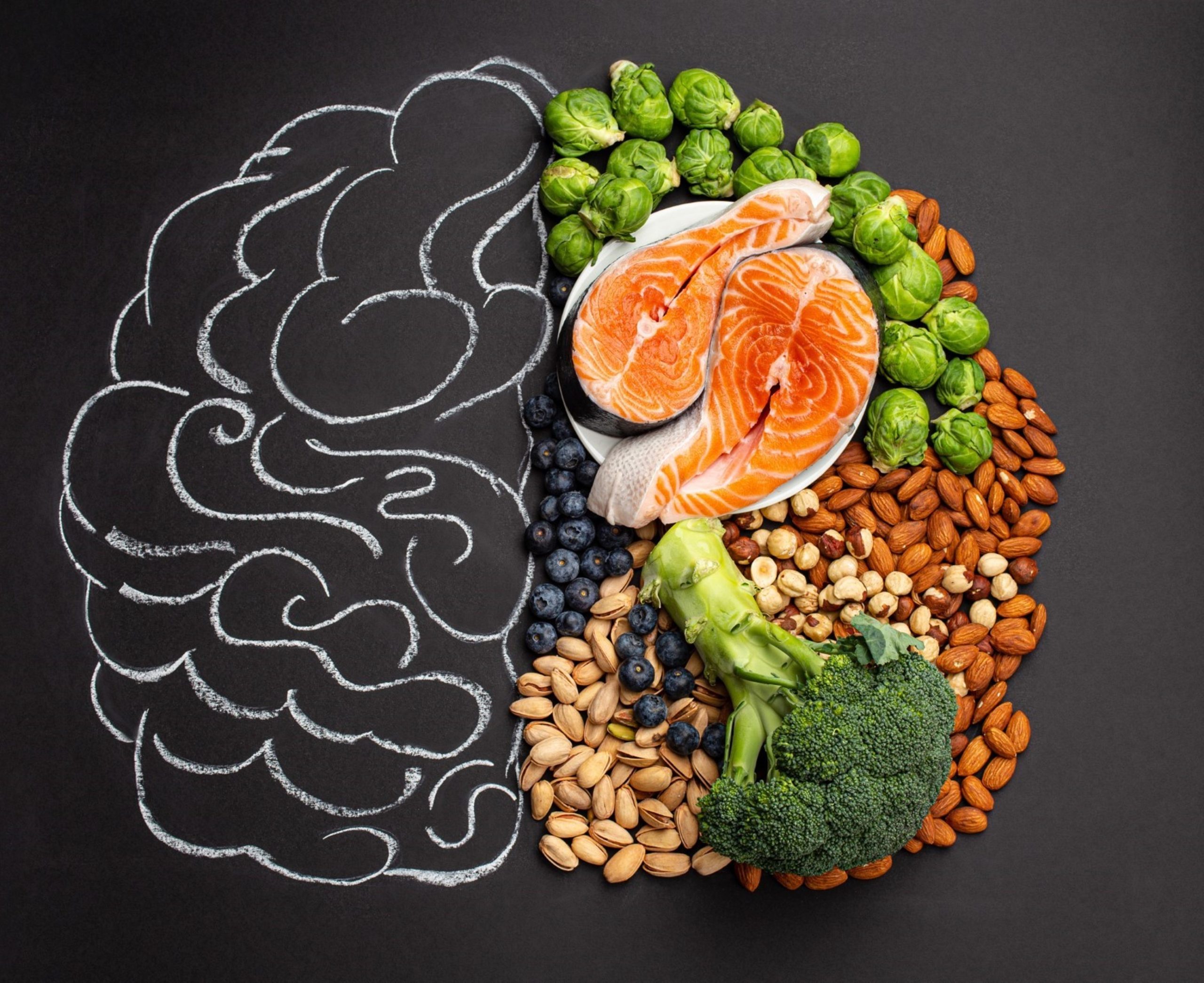

This month serves to raise awareness about mental health issues, promote understanding, and encourage conversations surrounding mental well-being. One often overlooked aspect of mental health is the role that nutrition plays.
I would like to take this opportunity to talk about the impact of nutrition on Mental Well-Being. As what we eat can significantly affect our mental health.
So what is the connection between Nutrition and Mental Health?
First we have the Brain Chemistry:
The brain requires a variety of nutrients to function optimally. Neurotransmitters, which regulate mood, are influenced by the nutrients we consume. For instance that “feel-good” hormone serotonin, is received from tryptophan, an amino acid found in foods like turkey, eggs, and nuts.
And then there’s the Gut-Brain Axis.
Research highlights the gut-brain connection, suggesting that the state of our gut microbiome can influence mental health. A diet rich in fibre, fruits, and vegetables can promote a healthy gut, which in turn can enhance mood and cognitive function.
Inflammation that lots know all too well about.
Chronic inflammation has been linked to various mental health disorders, including depression and anxiety. Foods rich in antioxidants, such as berries, leafy greens, and fatty fish, can help combat inflammation and promote better mental health.
Lastly regulating that blood sugar.
Stable blood sugar levels are crucial for maintaining mood. A diet high in refined sugars and carbohydrates can lead to spikes and crashes in blood sugar, contributing to mood swings and irritability. Whole grains, proteins, and healthy fats can help maintain steady energy levels.
Some key Nutrients for Mental Health:
• Omega-3 Fatty Acids: Present in fatty fish, flaxseeds, and walnuts, these fats have been shown to reduce symptoms of depression and anxiety.
• B Vitamins: Vitamins like B6, B12, and folate play a critical role in brain health. They are found in whole grains, eggs, and leafy greens. Deficiencies can lead to mood disorders.
• Vitamin D: known as the “sunshine vitamin,” low levels of vitamin D have been linked to depression. Foods such as fortified dairy products and fatty fish can help boost levels.
• Magnesium: Found in nuts, seeds, and leafy greens, magnesium helps regulate neurotransmitters and can alleviate symptoms of anxiety.
Tips for boosting your Mental Health through your diet….
1. Eat the Rainbow!! - Incorporate a variety of colourful fruits and vegetables into your meals. Each colour offers different nutrients and health benefits.
2. Drink that water and stay hydrated - Dehydration can affect mood and cognitive function. Aim for adequate water intake throughout the day.
3. Skip the drive-thru and limit Processed Foods- Reduce consumption of fast food, sugary snacks, and processed meals. Instead, opt for whole, unprocessed foods.
4. Have a structure and plan Balanced Meals - Include a mix of carbohydrates, proteins, and healthy fats in your meals to ensure steady energy and mood stabilization.
5. Be Mindful when eating - Pay attention to what you eat and how it makes you feel. This can enhance your relationship with food and increase awareness of its impact on your mood.
As we are entering Mental Health Month, let’s remember that our nutrition plays such a huge and important role in our mental well being. By making mindful dietary choices, we can support our mental health and improve and grow a more balanced, happier life.
This month, consider taking small steps toward a healthier diet. After all, mental health is just as important as physical health, and nutrition is a vital component of that equation.
What’s one change you can think of that would help set you in a better path this month for your mental health?
💗 ~April









.png)

.png)

.jpg)