Rachel's Reflections
Adding Life To Our Years
By
October 27, 2026
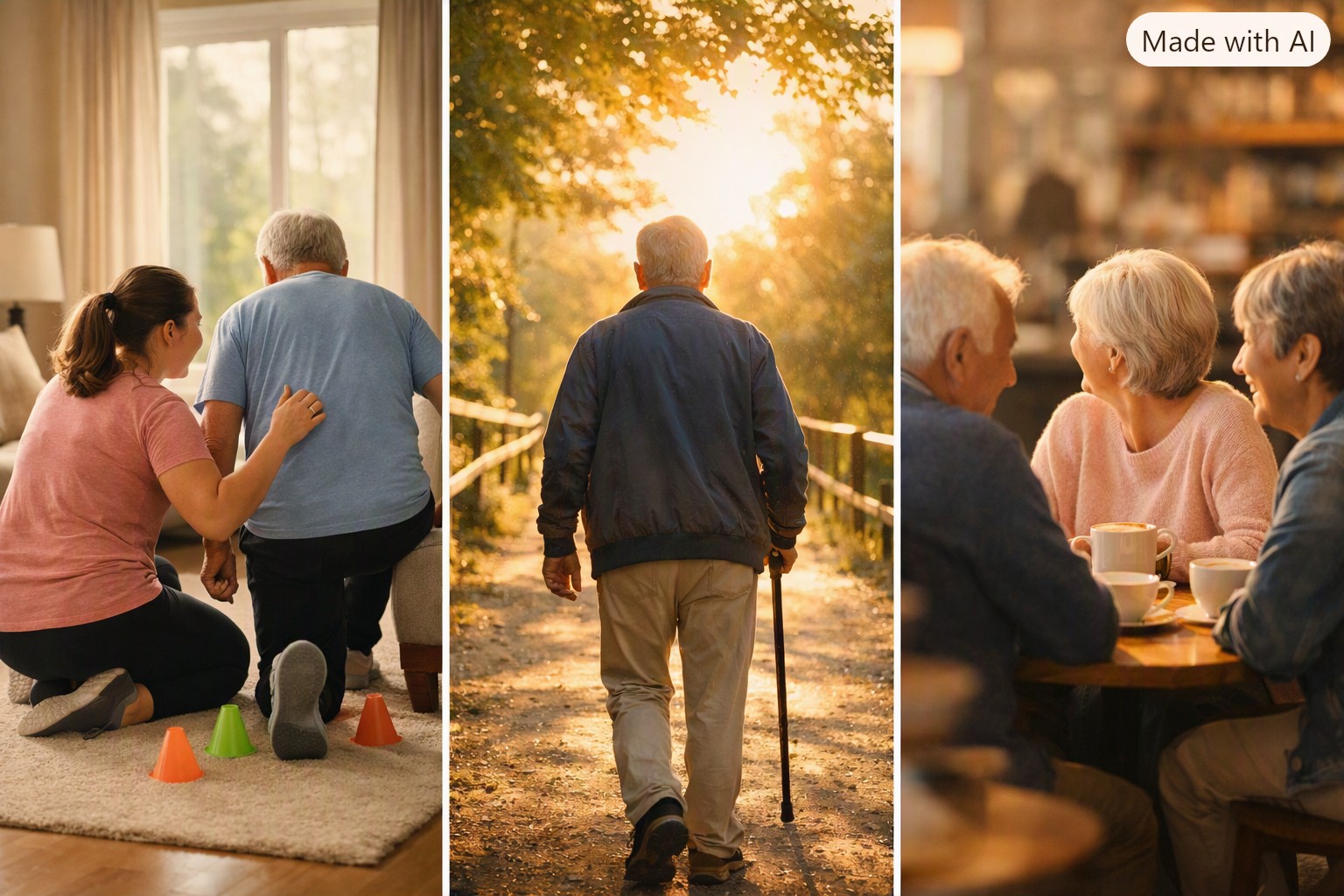

The last three years, three times a week, I have beenvisiting an older gentleman to do exercise in his home with him. He is now 83years old, lives alone, maintains independence, and has become someone Igenuinely look forward to spending time with every week. And while I’mtechnically there to help him maintain his strength, balance, and mobility….Our sessions are probably 50 % exercise and 50% talking. Some days, maybe alittle more talking than anything else. And that is totally ok! There is benefitin every minute spent together.
We have our usual routine. We start standing, gently moving throughout thejoints and warming up the body before sitting down for our first break. Fromthere, we might work seated with a ball- squeezing it, reaching it in differentdirections, and passing it underneath one leg at a time as he lifts each footoff the floor. We use light weights, resistance bands, and a combination ofseated and standing exercises. I often bring a little stepper and hold hishands while he practices stepping down, or he’ll use the kitchen counter forsupport while stepping up or sideways. Other days, I’ll lay objects along thefloor and have him carefully step over them while I support his balance.
This might not sound like much to someone who’s used to lifting heavy weightsor attending fitness classes, but these movements have a purpose. Every singleone of them! Being able to lift your feet high enough to clear an obstacle,step safely off a curb, get up from a chair, reach for something in thecupboard, or recover your balance when you stumble can make an enormousdifference in someone’s ability to remain independent. These are things many ofus take for granted and don’t even think about doing until suddenly they becomedifficult.
And aside from the exercise, there are the conversations that I value so somuch. He tells me stories about growing up, being a teenager, raising hisfamily, and building his career. He worked his way up through a majorcorporation, and I love hearing his business stories! I learn so much from himand I’ve even told him that sometimes I feel like I should be paying him forthese visits!! Sometimes he pulls out old photographs and tells me about thepeople and places in them (which is great for exercising his memory!). Othertimes we talk about life, what’s happening in the world, or whatever happens tobe on our minds that morning.
After nearly three years of spending that much time together, we’ve developed arelationship that goes beyond trainer and client. There’s trust, appreciation,and, I believe, a genuine friendship. Most of the time it feels more likeI’m visiting my grandpa rather than a client for work.
Of course, over three years, not every day has been a good day. We havenavigated illness, injuries, anxiety, and lots of times when we’ve had to adaptwhat we’re doing but we rarely miss a session. If I can’t make it, I’ll do mybest to reschedule or send someone in my place so he still receives thephysical, mental, and emotional stimulation. There have been days when we satand talked instead of exercising, and there have been days where we worked onbreathing and relaxation techniques. As a trainer, especially with olderclients, our job is to give them what they need that day. And sometimes, it hasnothing to do with the physical.
He has a wonderful routine of meeting “the boys” for coffee every weekdaymorning, and I think that is one of the most important things he does for hishealth. He has somewhere to go, people who expect to see him, conversations tobe a part of, and a reason to get up and get out of the house for a bit. Weunderestimate how important these things become as we age. I once heard anolder person in the grocery store talking to a friend and I remember himsaying- “Once I retired, it was all downhill from there”. That statement hasstuck with me for years. For so much of our lives, we have responsibilities,routines, people who depend on us, places to be, and things that give our daystructure and meaning. Then retirement comes, and for some people all of thatchanges almost overnight. Don’t get me wrong…. after working for 40 or 50 yearsyou’ve earned the right to put your feet up! But I think there’s a big differencebetween enjoying a slower pace of life and slowly disconnecting from lifealtogether.
We need purpose and we need it at every age. It doesn’t have to be a job orsome grand accomplishment. It might be meeting friends for coffee,volunteering, tending a garden, joining a class, helping with grandchildren, orsimply having a regular commitment that gets you out of the house and aroundother people. We need things to look forward to. We need people who notice whenwe’re not there. We need to feel useful, included, and connected. And we needto keep moving our bodies.
One of the things that concerns me the most about aging is how easily we canstart accepting physical decline as something we simply have to live with. Wehear things like “Well, I’m just getting old” or “I’m too old to do that now”as though getting older automatically means we should stop trying. Ugh. Yes,our bodies change with age. We lose muscle mass and strength and we need toactively work to maintain as much as we can. Balance can become morechallenging, joints can stiffen, and recovery can take longer. Healthconditions can create very real limitations that we have to respect.
BUT…..
There’s so much we can still do!!!
I’d actually argue that exercise becomes even MORE important as we get older.Strength training helps us maintain the muscles we rely on to get out ofchairs, climb stairs, carry groceries, sit on the toilet, and manage everydaylife! Balance exercises help reduce the risk of falls. Mobility work helps uscontinue moving comfortably. Weight-bearing activity supports bone health.Regular physical activity contributes to heart health, metabolic health, andoverall well-being. And here’s a really important piece…. Exercise is just asimportant for the brain as it is for the body.
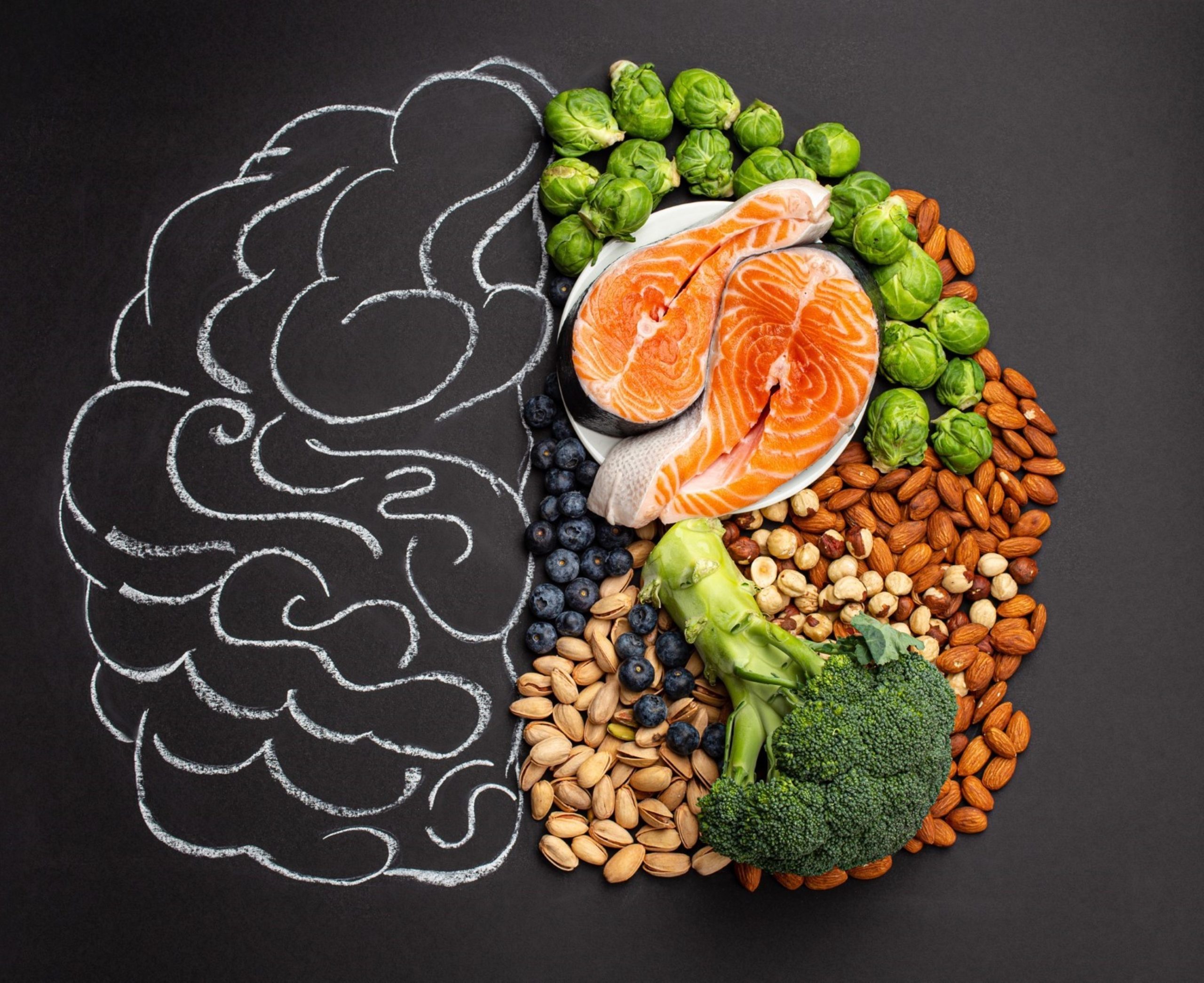
Research has shown that regular physical activity supports brain health,including memory, attention, and executive function, which is our ability toplan, make decisions, and manage everyday tasks. Staying physically active isalso associated with a lower risk of cognitive decline and dementia. It doesn’tmean we can prevent every case of dementia or guarantee that our brains willstay sharp forever, but movement is one of those things we can do to giveourselves a better chance of maintaining cognitive health as we age.
Learning new movements, following instructions, coordinating arms and legs,responding to changes in direction, and navigating obstacles all challenge thebrain as well as the body. Even something as simple as stepping over objects onthe floor requires coordination, spatial awareness, balance, attention, anddecision making. On top of this, add in the conversations, storytelling,recollection of past experiences, laughter, and social interaction…. These areALL ways we continue to engage our minds.
When I sit with an older person and ask them about their childhood, career, orpeople in an old photograph…. I’m not just filling time between exercises.We’re connecting, remembering, thinking, and sharing. And quite often, I’m theone who walks away having learned something new! This is one of the reasons ourprograms for older adults mean so much to me.
At Mobility, we have our 55+ Club, active aging programs, and in-homeconditioning services because I genuinely believe everyone deserves theopportunity to keep moving, regardless of their age or ability. I’ve watchedpeople regain confidence in movements they thought they could no longer do.Sometimes they’ve lost strength or mobility, but other times it’s fear that’sholding them back. Maybe they’ve fallen before, maybe they’ve been warned to becareful, maybe they’re scared to inflict more pain, or maybe they’ve simplygone so long without doing something that they’ve convinced themselves theyjust can’t anymore.
With the right guidance, support, and encouragement…. It’s amazing what canchange. To be clear- there is absolutely nothing wrong with needing a walker,wheelchair, or other mobility aid. For many people, these tools are what allowthem to remain safe, active, and independent. But I also don’t want us toautomatically assume someone has lost an ability simply because they reached acertain age or had a setback. When there’s an opportunity to safely maintain orimprove strength and function, I think we owe it to ourselves to keep trying.Sometimes progress means doing something you couldn’t do six months ago.Sometimes it means continuing to do something you might otherwise have lost theability to do. Maintaining is just as much a victory!
As much as I love seeing the physical progress in clients and members, there’sanother part of our programs and services that are equally important…. Thefriendships and relationships that are formed. If you’ve ever been around thestudio before or after one of our 55+ classes you may have seen the womenchatting, laughing, catching up, and lingering in the parking lot long afterclass has ended. They come to exercise, of course…. But they also come to seeeach other. I love this, because social connection is just as important as theworkout itself. It gives people somewhere to belong, people who know theirnames, and a community that looks forward to seeing them.
For some of our in-home clients, that connection is even more important! Thereality is that there are older adults in our community who don’t have manyopportunities for regular social interaction. Some live alone, some havelimited mobility, and some simply can’t get out the way they once did. Forthem, a visit from one of our trainers might be one of the few meaningfulinteractions they have that day. That makes our responsibility about so muchmore than exercise. We are there to encourage movement, yes, but we’re alsothere to listen, to notice, to care, and to remind people that they matter.
The more time I spend working with older adults, the more I think about my ownfuture. I’m 47 now, and while I don’t spend time worrying about getting older,I certainly think about the life I want to live when I’m 70. I think about whatI want my older years to look like. I want to be able to travel, get up off thefloor, carry my own groceries, and do the things I enjoy without constantlyworrying whether my body will cooperate. I want friendships, laughter, purpose,and a life that still feels full.
I know there are no guarantees. We can do everything right and still faceillness, injury, or changes we never anticipated, but that doesn’t make thethings we can control any less important. And that’s something I hope theyounger people reading this will think about too. The strength you’re buildingin your 30’s, 40’s, and 50’s isn’t just for the workouts you’re doing today.You’re investing in the person you will be at 70, 80, and hopefully beyond.Every time you challenge your muscles, work on your balance, improve yourcardiovascular fitness, or make movement part of your routine…. You’re buildingsomething that your future self will thank you for.
And if you’re already in your 70’s or 80’s and thinking it’s too late to start…I promise you it isn’t. There is no age at which gentle appropriate movementsuddenly stops having value. The starting point might look different, and thegoals might be different, but the benefits are still very real!
I also hope this reflection makes you think about the older people in your ownlife. Your parents, grandparents, neighbours, or someone you haven’t checked inon in a while. Maybe invite them for coffee. Ask them to tell you a story aboutwhen they were younger. Look through some old photographs together. Invite themout for a walk if they’re able, or encourage them to move in whatever way issafe and comfortable for them. Invite them to a community activity. Help themfind something they enjoy and can look forward to. And perhaps mostimportantly…. Don’t assume that because someone is older, they have nothingleft to contribute. Some of the most interesting, knowledgeable, funny andinspiring people I’ve met have decades of life experience that the rest of uscould learn a lot from if we would just take the time to listen.
My client has taught me that. I go to his home three days a week thinking thereto help him, but I always leave having gained something myself. Some days weexercise more. Some days we talk more. Some days we work on balance, andsometimes we work on breathing through a difficult day. But the important thingis that we keep showing up.
Healthy aging isn’t just about adding years to our lives. It’s about addinglife to our years.
And that means looking after the whole person. The physical, mental, emotional,intellectual, and social parts of who we are. We never stop needing thosethings. Not at 47. Not at 83. Not at 95.
And we certainly never become too old to matter. ❤
Until next Sunday,
Rachel xo